

 American Messiahs
by
American Messiahs
by
 Broken Faith
by
Broken Faith
by
 Raven
by
Raven
by
 Koresh
by
Koresh
by
 Tangled Vines
by
Tangled Vines
by
 Conviction
by
Conviction
by
 Jesus Freaks
by
Jesus Freaks
by

In the 1950s, a young Indianapolis minister named Jim Jones preached a curious blend of the gospel and Marxism. His congregation was racially integrated, and he was a much-lauded leader in the contemporary civil rights movement. Eventually, Jones moved his church, Peoples Temple, to northern California. He became involved in electoral politics, and soon was a prominent Bay Area leader. In this riveting narrative, Jeff Guinn examines Jones's life, from his extramarital affairs, drug use, and fraudulent faith healing to the fraught decision to move almost a thousand of his followers to a settlement in the jungles of Guyana in South America. Guinn provides stunning new details of the events leading to the fatal day in November, 1978 when more than nine hundred people died--including almost three hundred infants and children--after being ordered to swallow a cyanide-laced drink. Guinn examined thousands of pages of FBI files on the case, including material released during the course of his research. He traveled to Jones's Indiana hometown, where he spoke to people never previously interviewed, and uncovered fresh information from Jonestown survivors. He even visited the Jonestown site with the same pilot who flew there the day that Congressman Leo Ryan was murdered on Jones's orders. The Road to Jonestown is the definitive book about Jim Jones and the events that led to the tragedy at Jonestown.
Jim Jones's Early Life:
The Peoples Temple:
Social and Political Context:
Charismatic Leadership:
The Move to Jonestown:
Manipulation and Coercion:
The Events Leading to the Massacre:
Impact on Survivors:
Cultural and Historical Significance:
Lessons Learned:
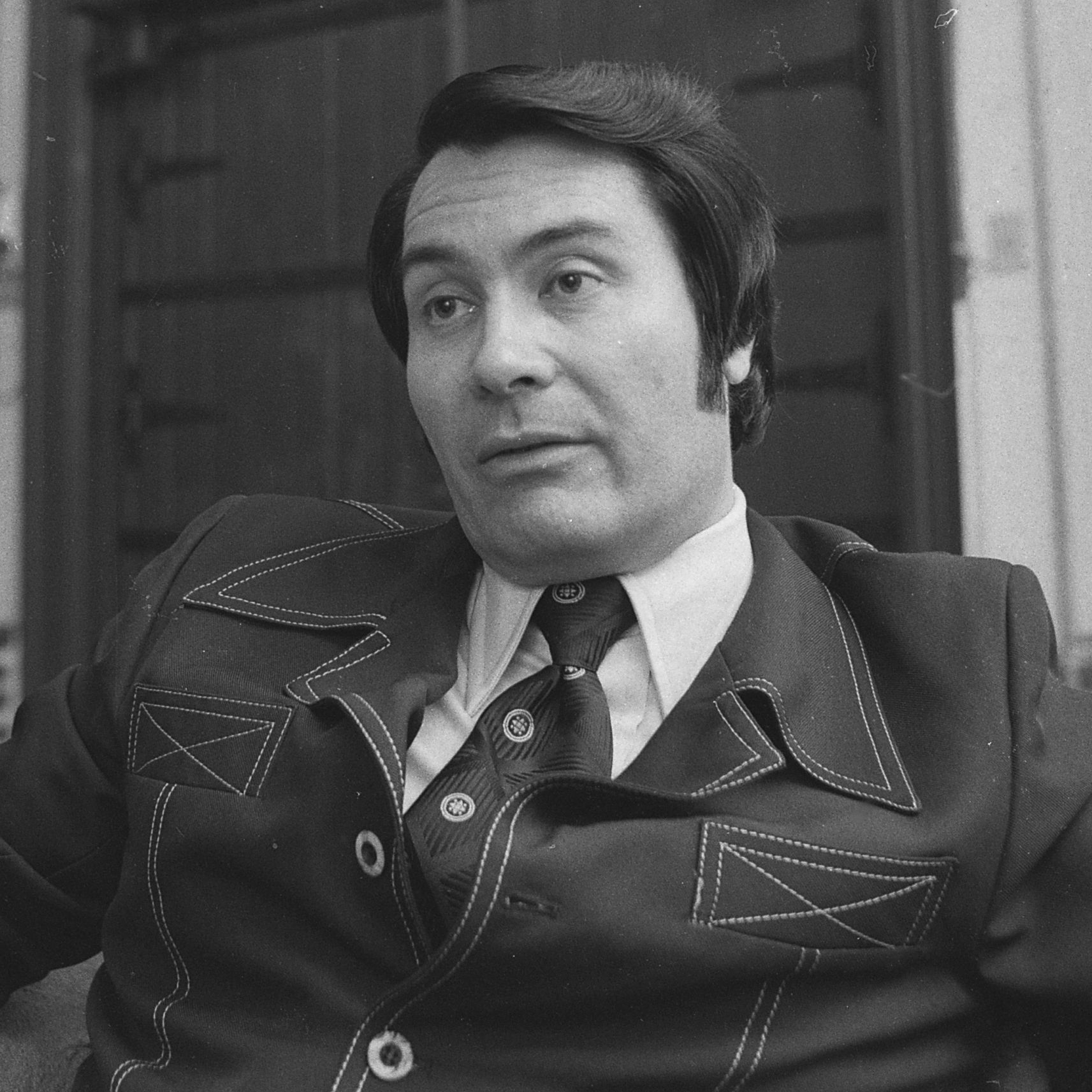
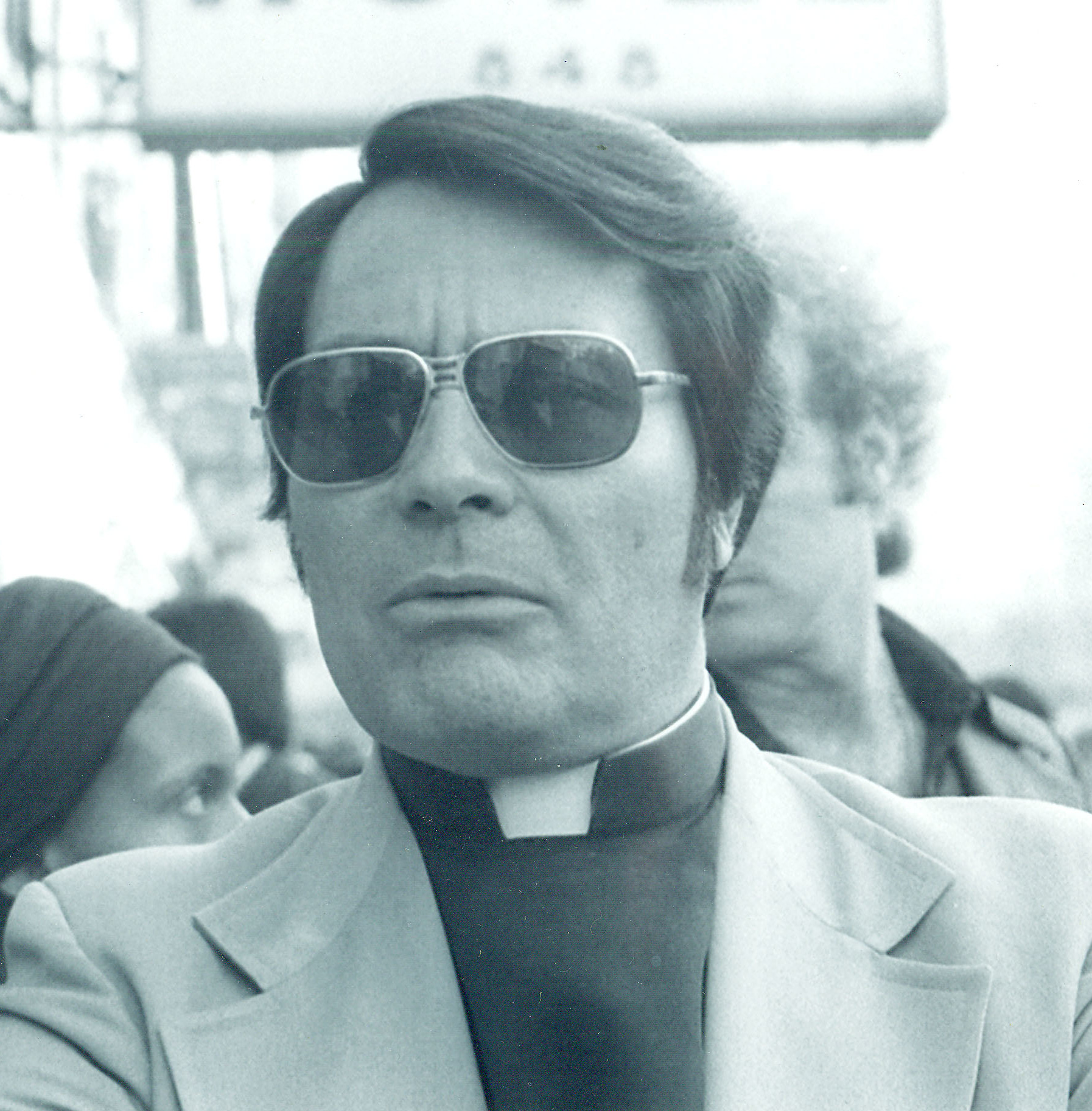
Jim Jones was an American cult leader and the founder of the Peoples Temple, a religious group that gained notoriety due to the tragic events at Jonestown.
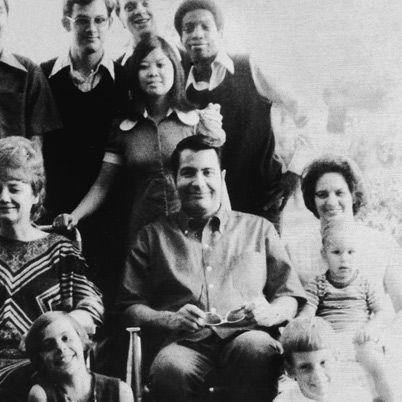
Early Life:

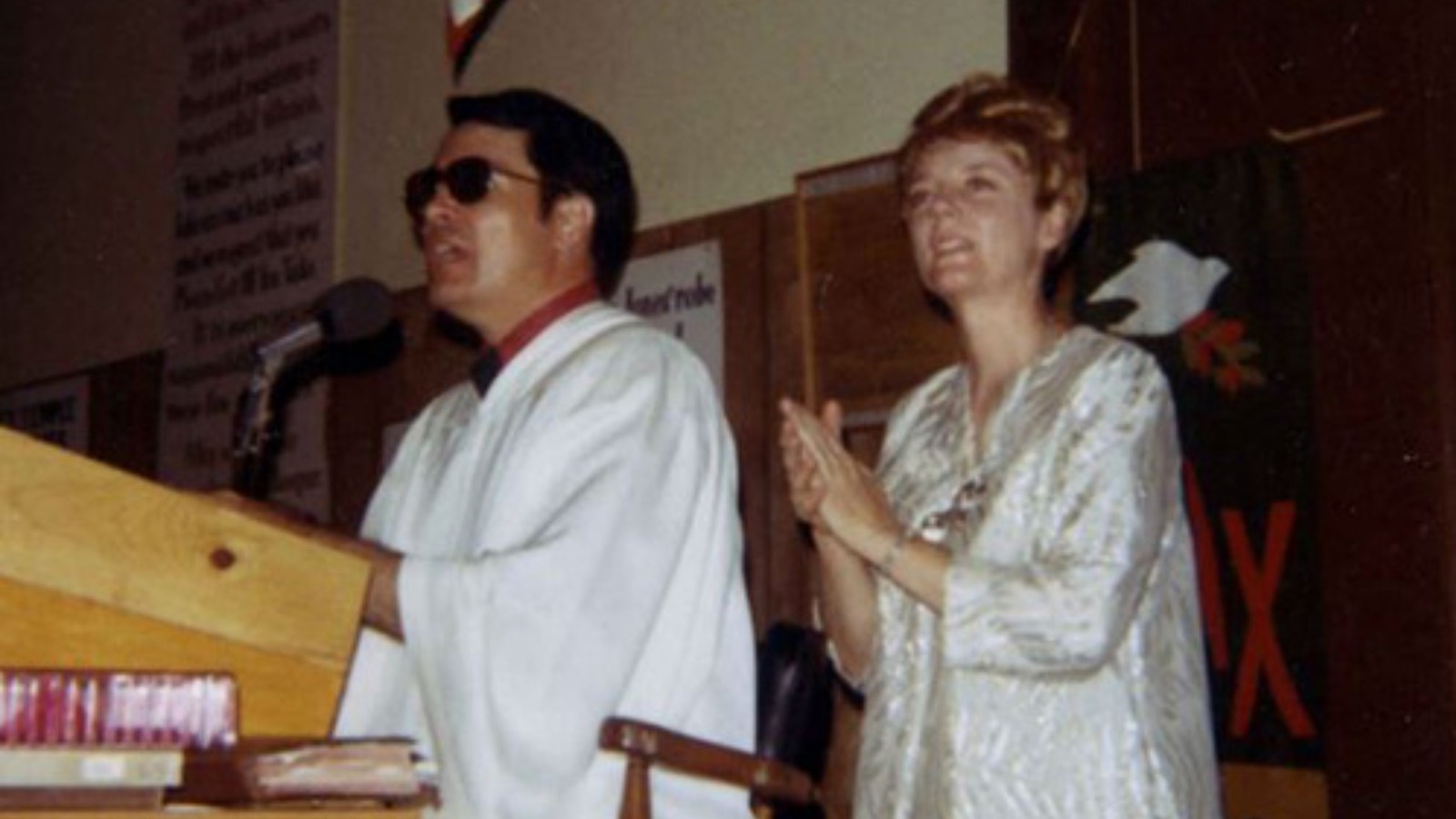
Charismatic Leadership:

Move to Guyana - Jonestown:
Tragedy at Jonestown:
Legacy:
Jim Jones' life and the Peoples Temple's story are complex and deeply tragic, serving as a cautionary tale about the dangers of charismatic leadership, cult dynamics, and the consequences of unchecked power.

Jonestown: Paradise Lost is a 2007 documentary television film on the History Channel about the final days of Jonestown, the Peoples Temple, and Jim Jones. From eyewitness and survivor accounts, the program recreates the last week before the mass murder-suicide on November 18, 1978.
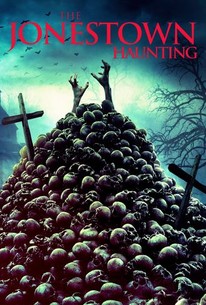
A survivor of the Jonestown massacre returns to the site 10 years later and discovers the cult's former home has become a breeding ground for the supernatural.

A documentary on the 40th anniversary of the largest murder-suicide in American history, when over 900 members of the Peoples Temple consumed a deadly cyanide-laced drink on the orders of leader Jim Jones; interviews with Jones' two surviving sons.

Filmmaker Stanley Nelson charts the rise and fall of Peoples Temple founder Jim Jones, whose followers drank poisoned punch at their South American commune in 1978. Using archival film footage and interviews with the few survivors, Nelson recounts the origins of the church's formation and its charismatic leader, and the events that led up to their doomsday in Guyana.

Guyana Tragedy: The Story of Jim Jones is a 1980 American biographical drama television miniseries directed by William A. Graham from a teleplay by Ernest Tidyman, based on the 1978 book Guyana Massacre: The Eyewitness Account by Charles A. Krause.


 Westwood Public Library